21 Aug 2026
Connecting Regulatory Documentation with Facility Enhancements, Menu Developments, and Show Programming in Regional Casino Operations
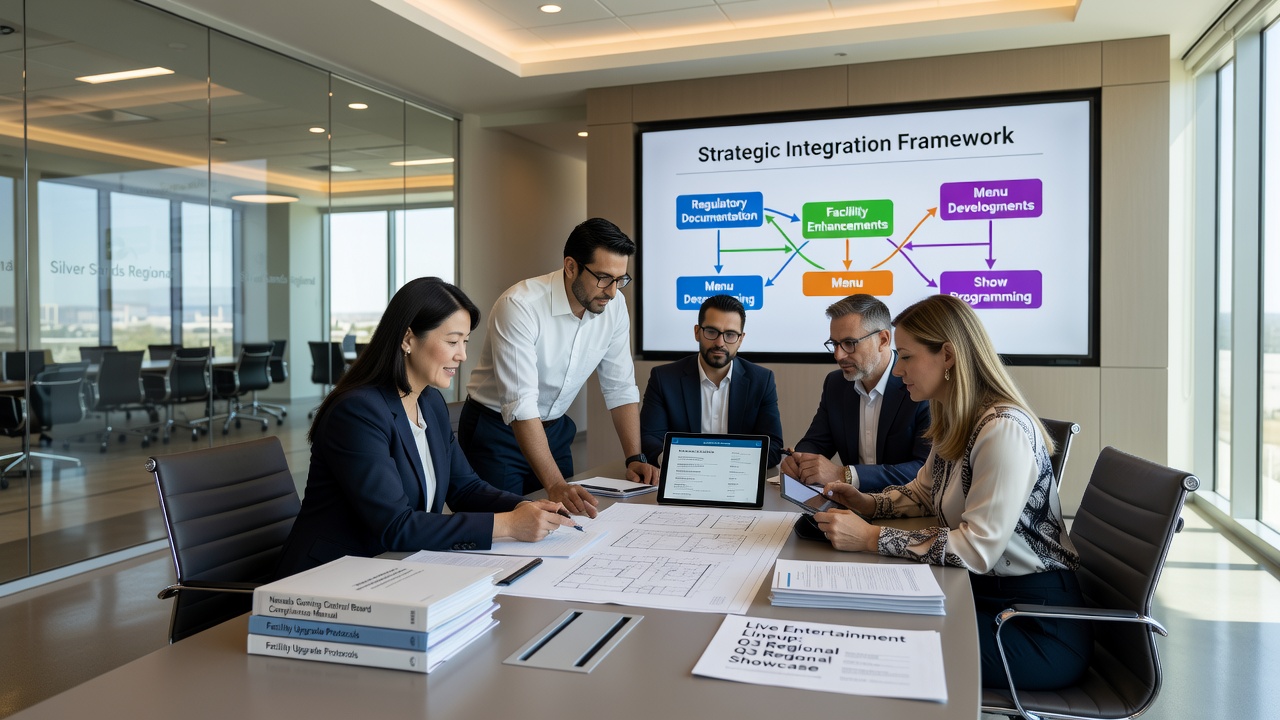
Regulatory documentation serves as the backbone that links facility upgrades, dining innovations, and entertainment schedules across regional casino markets, where operators file detailed reports that outline planned changes months or years in advance. These filings often reveal timelines for structural improvements while specifying how new amenities will integrate with updated food offerings and performance calendars, creating a coordinated framework that compliance officers review for adherence to local statutes. Data from multiple jurisdictions shows that such interconnections help maintain operational consistency even as venues adapt to shifting market demands.
Regulatory Filings Reveal Coordinated Planning Cycles
Operators submit comprehensive disclosures that detail everything from square footage expansions to equipment installations, and these same documents frequently cross-reference menu revisions along with artist bookings for upcoming seasons. In practice this means a single report might describe a new gaming floor layout while noting corresponding adjustments to adjacent restaurant spaces and adjacent theater programming slots. Observers note that regulators require these cross-connections because isolated changes can trigger additional licensing reviews, whereas bundled updates streamline the approval process. Figures from oversight agencies indicate that venues submitting integrated plans experience fewer delays compared with those filing piecemeal requests.
Facility Enhancements Aligned with Compliance Records
Construction timelines listed in regulatory submissions often coincide with seasonal menu launches and show debuts, allowing operators to phase work during lower-traffic periods without disrupting guest experiences. For instance, one regional property completed a lobby redesign that incorporated expanded bar service areas while simultaneously introducing locally sourced tasting menus and rotating live music series, all documented within the same compliance packet. Such alignments help ensure that physical upgrades support rather than interrupt revenue streams tied to dining and entertainment packages. In August 2026 several properties across multiple states released updated filings that mapped ongoing renovation phases directly to refreshed culinary offerings and performance lineups scheduled through the following year.

These coordinated efforts extend beyond single venues when tribal or municipal gaming authorities require master plans that cover entire properties, including how new hotel towers will influence both restaurant capacity and event booking availability. Reports filed with bodies such as the National Indian Gaming Commission frequently include appendices that trace how infrastructure investments affect food and beverage projections alongside entertainment budgets. The result is a clearer picture for stakeholders who track long-term operational viability through public records.
Menu Developments Reflected in Official Disclosures
Changes to dining concepts appear in regulatory updates when operators seek approvals for new kitchen equipment, expanded seating, or alcohol service modifications, and these filings often pair those details with descriptions of paired entertainment formats. A venue might document the addition of a chef-driven station while noting how the space will host ticketed culinary events featuring live acts on adjacent stages. Data compiled by industry groups shows that such bundled announcements help regulators assess overall guest flow and safety protocols in one review cycle rather than multiple separate submissions. Patterns emerge when analysts compare filings across properties, revealing that menu refreshes tend to cluster around facility milestones like new outdoor terraces or reconfigured gaming pits.
Show Programming Linked Through Compliance Pathways
Entertainment schedules surface in regulatory documents whenever venues request extended operating hours, temporary staging installations, or capacity increases for headline performances, and these entries commonly reference supporting menu packages or facility adjustments that accommodate larger crowds. One multi-property operator listed a series of summer residencies alongside corresponding dining promotions and minor lobby expansions within a single quarterly report, illustrating how programming decisions influence physical and culinary planning. Research from academic centers such as the Griffith University Centre for Gambling Education & Research highlights that integrated disclosures reduce administrative overlap and provide clearer timelines for community stakeholders monitoring regional gaming activity. August 2026 filings from several markets demonstrated this linkage by projecting fall performance calendars directly against kitchen renovation windows and seasonal tasting menu rollouts.
Interconnections Across Regional Markets
Patterns in regulatory submissions indicate that successful venues treat facility, menu, and show elements as interdependent components rather than standalone projects, which allows for more efficient capital allocation and reduced compliance friction. When one element shifts, such as a delayed equipment delivery affecting a new restaurant opening, operators often adjust associated entertainment bookings and file amended reports that reflect the revised timeline across all categories. This approach appears consistently in records from both tribal and commercial operators who operate under overlapping state and federal oversight frameworks.
Conclusion
Regulatory documentation continues to function as the connective tissue that aligns facility enhancements with menu developments and show programming throughout regional casino operations, offering stakeholders a unified view of planned changes. As operators submit increasingly detailed filings that map these elements together, the process supports smoother project execution while satisfying oversight requirements across diverse jurisdictions. The practice of presenting coordinated updates within single compliance packages has become standard where venues seek to minimize review cycles and maintain operational momentum through 2026 and beyond.