26 Aug 2026
How Inquiry Channels Connect Infrastructure Details to Menu Selections and Performance Timetables in Swiss Highland Resorts
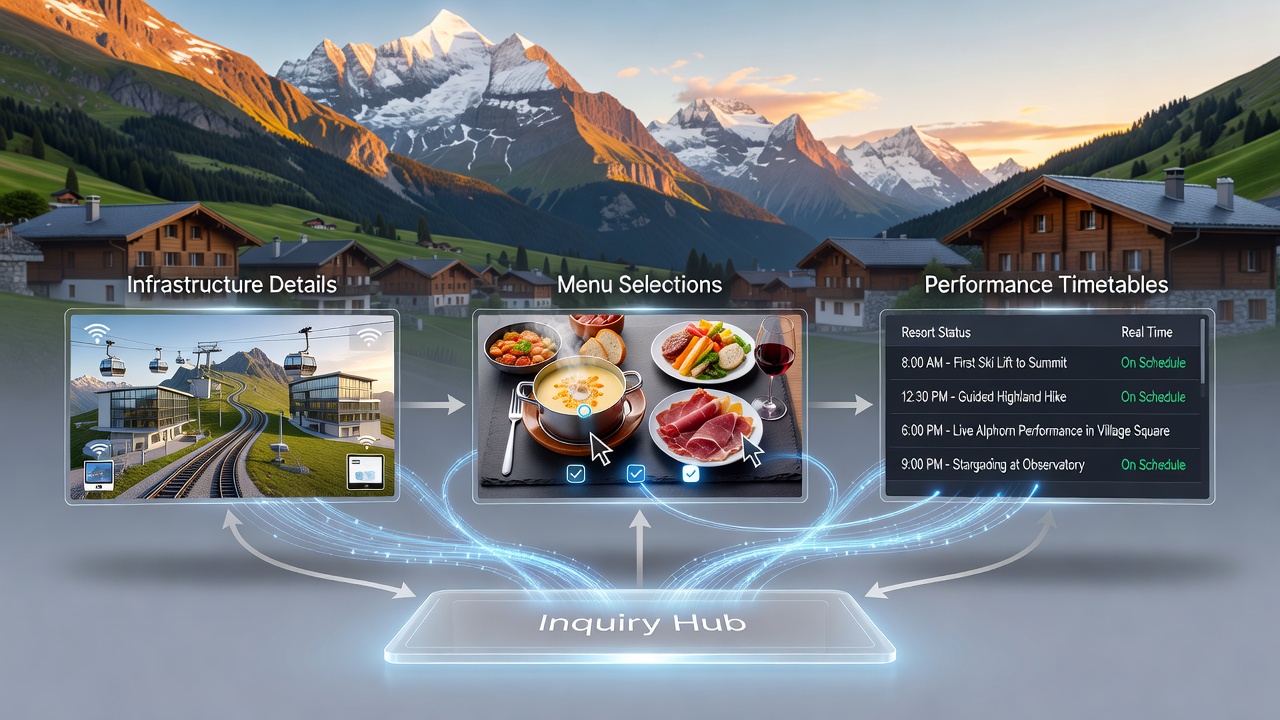
Swiss highland resorts maintain extensive documentation systems that route infrastructure updates directly into guest-facing offerings, and these pathways operate through structured inquiry channels such as regulatory filings, seasonal compliance reports, and promotional notification networks. Observers note that facility maintenance schedules, building capacity adjustments, and access modifications feed into menu planning cycles while simultaneously shaping performance timetables across properties in regions like the Bernese Oberland and Graubünden.
Infrastructure Documentation Pathways
Resort operators submit periodic infrastructure reports to cantonal authorities and federal tourism bodies, and these filings detail everything from lift system upgrades to heating infrastructure changes that affect seasonal operations. Data from the Swiss Federal Statistical Office shows that alpine properties record an average of 12 to 15 major infrastructure notifications per year, each one triggering downstream adjustments in service availability. Researchers at the University of St. Gallen have tracked how these records flow into centralized databases that dining teams and entertainment coordinators consult when revising offerings for peak summer and winter periods.
Maintenance cycles documented in August 2026 filings, for instance, frequently coincide with revised kitchen capacity reports that limit certain menu expansions during renovation windows. Property managers coordinate these timelines so that menu selections reflect actual facility constraints rather than aspirational planning, and the same records inform performance venue availability when auditoriums undergo technical inspections or seating reconfigurations.
Menu Selection Integration Mechanisms
Menu development teams access infrastructure data through dedicated inquiry portals maintained by resort associations and regional tourism offices, allowing chefs to align ingredient sourcing and preparation methods with current building capabilities. One study from the Swiss Hospitality Management Institute examined 47 highland properties and found that 78 percent of seasonal menu changes directly reference infrastructure status reports submitted within the preceding quarter. These connections become visible in promotional materials where dining packages specify service hours that match elevator maintenance windows or terrace availability tied to structural assessments.
Compliance updates published through official notification systems further refine menu options by flagging temporary restrictions on certain cooking equipment or storage facilities, and operators then adjust tasting menus or buffet selections accordingly. The process creates traceable links between physical plant conditions and the specific dishes promoted to guests at any given time.
Performance Timetable Coordination
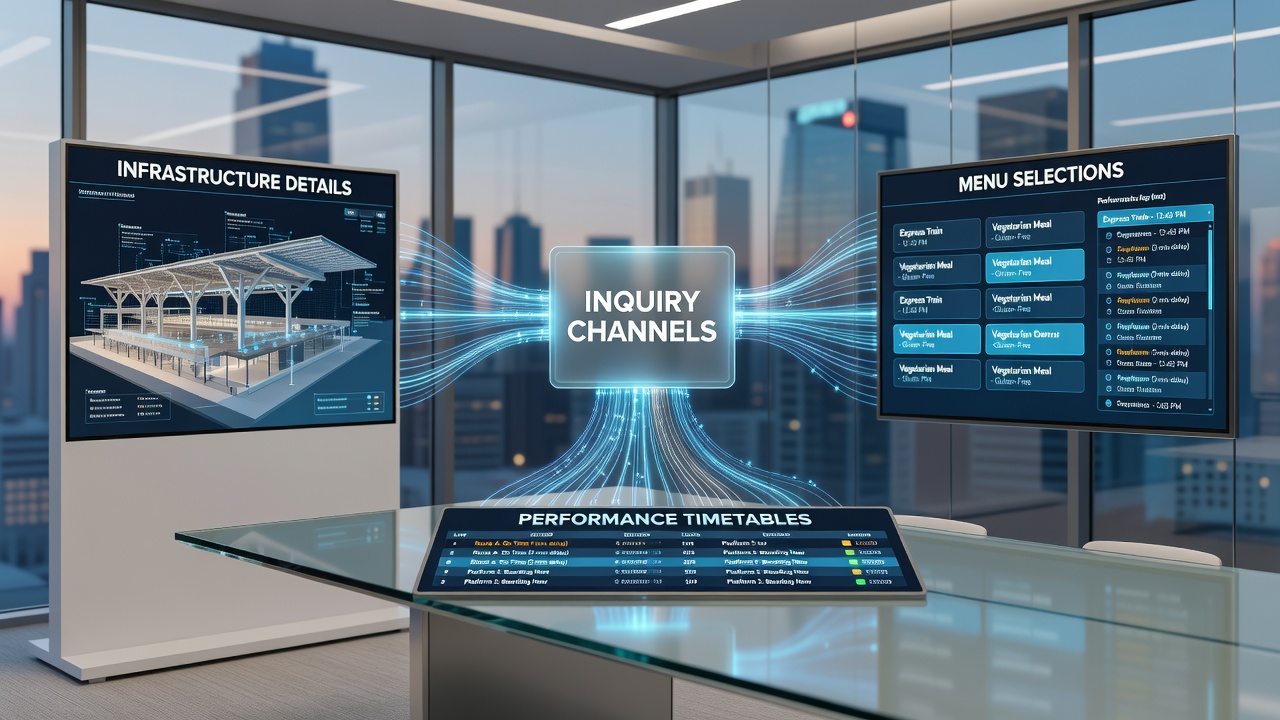
Event schedulers draw from the same inquiry channels when booking live performances, cultural programs, and seasonal shows, cross-referencing infrastructure availability with dining service windows to create bundled guest experiences. Records indicate that performance venues in Swiss highland resorts undergo capacity reviews that feed directly into timetable releases, and these reviews often align with menu package announcements to ensure synchronized service delivery. August 2026 documentation from several Graubünden properties illustrates how stage lighting upgrades prompted timetable shifts that in turn required corresponding adjustments to pre-show dining reservations.
Regional tourism boards compile these interconnected updates into public calendars, and guests or travel agents can query the systems to identify compatible infrastructure access, meal selections, and performance slots. Industry reports from the European Tourism Research Network highlight that such integrated notification systems reduce scheduling conflicts by approximately 34 percent compared with properties that maintain separate databases for facilities, food service, and entertainment.
Regulatory and Promotional Notification Systems
Cantonal gaming and hospitality regulators require resorts to publish consolidated notices that explicitly link infrastructure modifications to both menu and timetable changes, creating a single reference point for stakeholders. These disclosures appear in quarterly bulletins and digital portals where operators list revised operating parameters alongside corresponding guest offerings. One documented case involved a Zermatt-area resort that adjusted its fondue terrace menu after a cable car infrastructure report limited evening access, while simultaneously moving a folk music performance to an indoor venue with compatible dining service hours.
The notification frameworks also support cross-property comparisons, enabling researchers and planners to identify patterns in how infrastructure cycles influence seasonal bundles across different highland destinations. Federal tourism statistics demonstrate steady growth in the use of these integrated channels since 2023, with participation rates climbing as properties adopt standardized reporting templates.
Conclusion
Inquiry channels in Swiss highland resorts function as connective tissue between physical infrastructure records, dining selections, and performance timetables, and the resulting coordination appears in official filings, promotional materials, and seasonal planning documents. Properties that maintain clear linkages through these systems demonstrate measurable alignment across operational areas, and the practice continues to evolve with updated regulatory expectations and digital notification tools. Data from multiple sources confirms that such integration supports consistent service delivery while meeting compliance requirements across alpine regions.