21 Aug 2026
How Notification Protocols Connect Facility Updates to Dining and Performance Packages at Alpine Gaming Venues
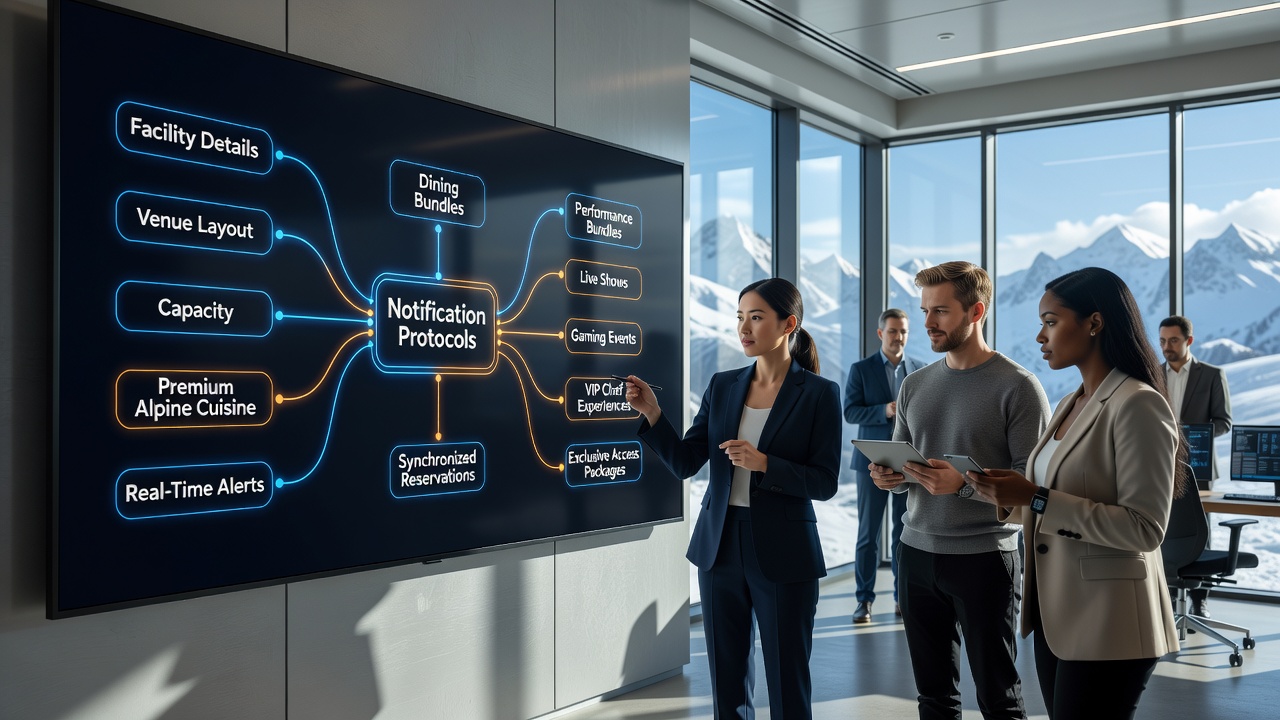
Notification protocols at alpine gaming sites serve as the central mechanism that ties facility information to bundled dining and performance offers, and these systems operate through structured channels that include regulatory filings, direct alerts, and digital platforms maintained by venue operators. Observers note that casinos in regions such as Lucerne and other Swiss alpine locations rely on these protocols to distribute updates about building access, maintenance schedules, and amenity changes while simultaneously presenting associated meal packages and live entertainment lineups, and the process ensures that guests receive coordinated information without separate inquiries for each element.
Core Components of Notification Systems
These protocols function through a combination of official disclosures submitted to oversight bodies and automated messages sent via email, mobile applications, and venue websites, while each message often includes facility status alongside curated bundles that pair dining reservations with performance tickets. Data shows that operators update facility details first in compliance records and then link those same records to promotional content, which allows recipients to see how a renovation timeline affects access to restaurants or show venues in one view. Researchers discovered that the linkage reduces the need for multiple communications because one alert can cover structural changes, seasonal menu adjustments, and event calendars at once.
Integration of Facility Details with Guest Offers
Facility details such as entrance modifications, parking availability, and capacity adjustments appear in the same notifications that list dining and performance bundles, and this arrangement stems from internal coordination between operations teams and marketing departments. One study revealed that alpine sites send these combined messages on fixed schedules tied to regulatory reporting deadlines, which means guests learn about a new lounge opening at the same time they receive details on a multi-course dinner paired with an evening concert. The approach keeps information consistent across channels because the underlying data comes from the same source documents used for compliance.
Role of Regulatory Disclosures in Bundle Coordination
Regulatory disclosures form the backbone of these notification flows, and operators must file updates on facility changes with Swiss authorities before they can promote related dining and entertainment packages to the public. According to the Swiss Federal Office of Justice, such filings include timelines for construction or upgrades that directly influence how bundles are structured, for instance when a theater renovation requires a shift from indoor to outdoor dining setups. Those who've examined the filings observe that the disclosures often contain the exact dates and access restrictions that later appear in guest alerts, creating a direct line from official records to promotional content.
August 2026 brought a fresh round of these coordinated notifications as several alpine venues completed summer maintenance cycles and released updated bundles that incorporated new facility features with seasonal dining menus and live music schedules. The messages highlighted revised entry points alongside packages that combined alpine-inspired tasting menus with evening performances, and recipients could book both elements through a single portal link embedded in the alert. This timing aligned with standard reporting periods that require venues to document infrastructure status before promoting associated guest experiences.
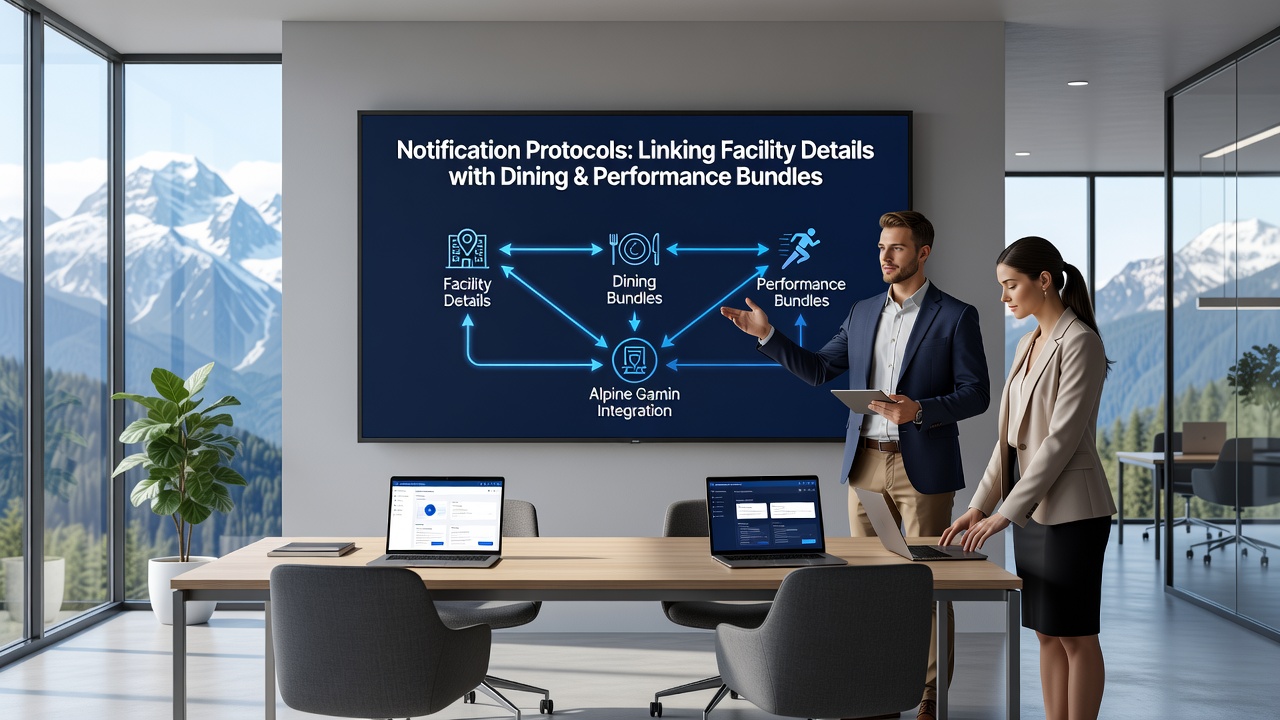
Examples of Linked Information Flow
Take one venue that posted a facility update about elevator modernization in its compliance report, then immediately followed with an alert that paired the affected floor access with a rooftop dining option and an acoustic set in an alternate lounge space. The notification included maps, reservation codes, and performance times in a single document, which allowed guests to adjust plans without contacting separate departments. People who've reviewed similar releases note that the pattern repeats across multiple alpine properties because the underlying protocols require cross-referencing of operational changes with guest service offerings.
Another case involved a seasonal policy adjustment documented in official records that then translated into revised bundles featuring locally sourced ingredients and shorter performance sets during peak summer hours. The alert explained how the facility modification affected seating flow and listed the adjusted meal and show combinations available during that period, and the format kept all details in one message rather than scattering them across different communications.
Broader Patterns Across Alpine Sites
Across multiple alpine gaming locations the same linkage appears in varying degrees of detail, yet the core process remains consistent because notification protocols draw from shared regulatory templates and internal data systems. Figures reveal that the volume of combined alerts increases during transition months such as late summer when facilities prepare for seasonal shifts, and the content typically covers both structural updates and the reconfigured dining and performance options that result. Industry reports from the Australian Gaming Council highlight parallel coordination practices in other regulated markets, which underscores how alpine operators follow established methods for connecting compliance data with guest-facing bundles.
Conclusion
Notification protocols at alpine gaming sites create a direct pathway that merges facility information with dining and performance bundles through structured disclosures and automated alerts, and this system operates on timelines set by regulatory requirements while delivering practical updates to guests. The approach ensures that changes in building access or amenities appear alongside adjusted meal and entertainment packages, which maintains clarity for recipients who rely on single-source communications. As venues continue to file updates and distribute coordinated messages, the connection between infrastructure details and bundled offerings remains a standard feature of operations in these locations.