24 Aug 2026
Mapping Connections Among Venue Features, Meal Deals, and Live Events Through Notification Systems and Legal Documentation at Regional Resorts
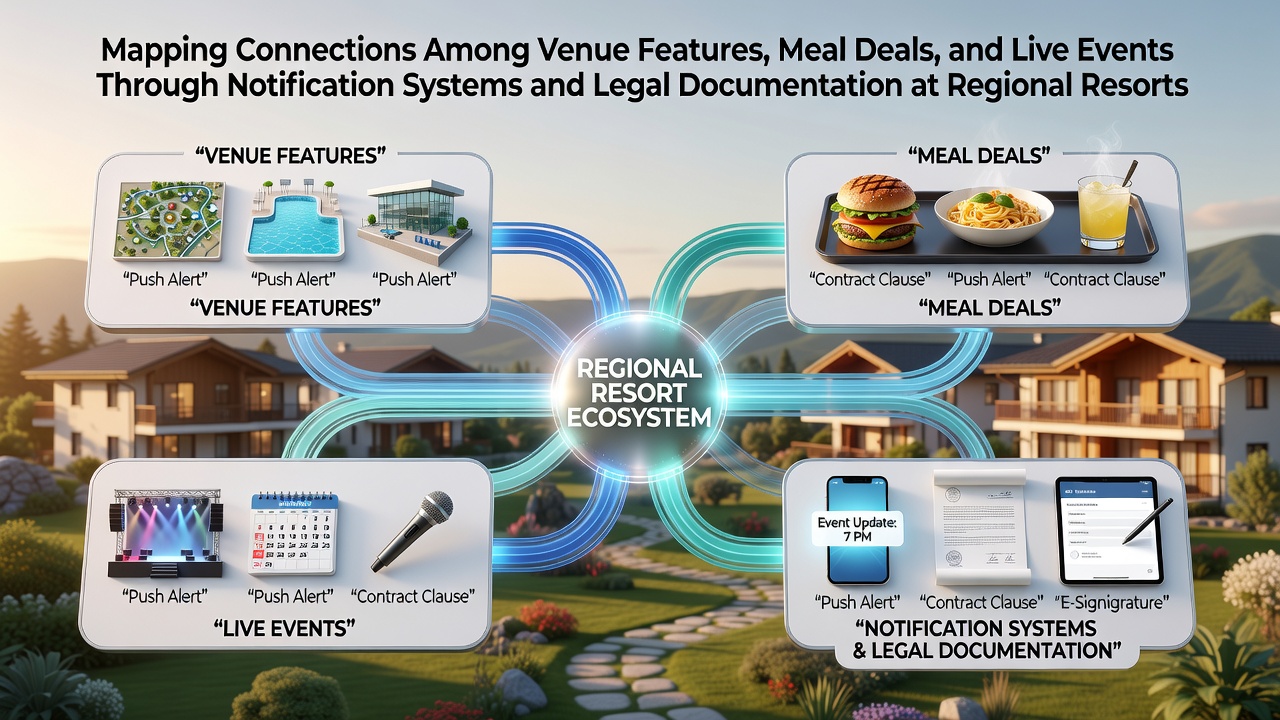
Regional resorts maintain detailed records that link physical venue features such as seating capacity and layout configurations with meal deal structures and live event schedules, and these connections surface through notification systems alongside legal documentation filed with oversight bodies. Data compiled across multiple properties reveals consistent patterns where updates to facility access points coincide with adjustments to bundled dining options and performance timings, often disclosed in quarterly compliance reports. Observers note that such alignments help operators coordinate guest flows while meeting regulatory standards set by agencies including the Nevada Gaming Control Board.
Venue Features and Their Documented Ties to Promotional Structures
Resort operators track venue attributes like stage dimensions, bar placements, and outdoor terrace sizes in official filings, and these details frequently correlate with the types of meal packages offered during specific periods. For instance, expansions to indoor event halls documented in August 2026 filings preceded announcements of extended dining hours paired with evening shows at several properties. Notification systems distribute these changes to subscribers via email alerts and mobile apps, which in turn reference the same legal documents submitted to state regulators. Researchers analyzing public records from multiple jurisdictions have identified how square footage increases in performance areas lead directly to revised menu bundles that incorporate live entertainment timing.
Notification Systems as Bridges Between Amenities and Compliance Data
Digital notification platforms serve as primary channels for disseminating updates on venue modifications, meal deal availability, and event lineups, while cross-referencing the underlying legal documentation that justifies each shift. Systems at resorts in various regions pull from centralized databases containing both operational metrics and regulatory submissions, allowing patrons to receive tailored alerts about combined offerings. In practice this means a change in parking access documented for a concert hall might trigger simultaneous promotions for pre-show dining packages, all verified against the same compliance paperwork. Industry reports indicate that such integrated systems reduce discrepancies between advertised deals and actual venue capabilities by pulling real-time data from filed records.
Patterns Emerging from Legal Documentation Reviews
Legal documentation submitted to oversight authorities outlines precise connections among infrastructure elements, food service contracts, and performance bookings, and analysts reviewing these filings across 2025 and 2026 have mapped recurring sequences. One common sequence shows venue lighting upgrades listed in maintenance logs followed by new meal deal tiers that include reserved seating for live acts. These patterns appear consistently in reports from properties operating under different regulatory frameworks, including those overseen by Canadian provincial gaming authorities. Notification systems then amplify the documented details by sending targeted messages that reference the original filing dates and amendment numbers for transparency.
Case Examples from Multiple Resort Locations
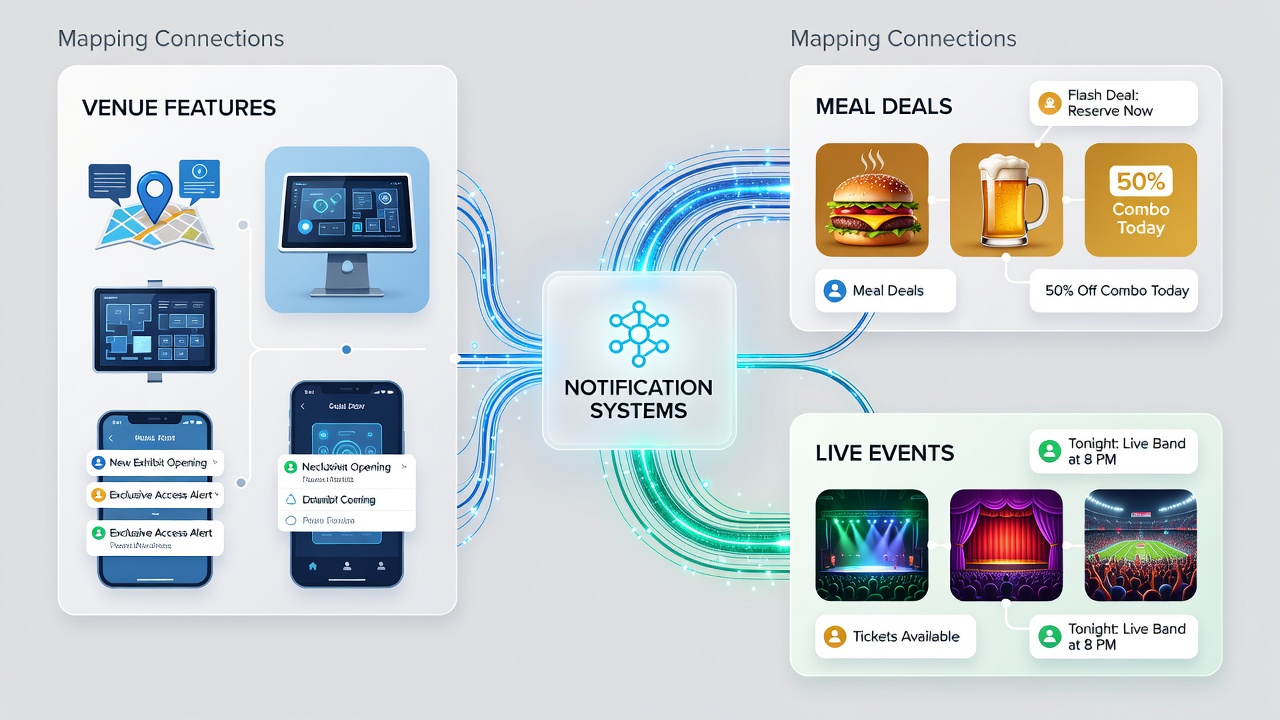
Take one property in the Midwest where August 2026 infrastructure reports detailed new outdoor stage additions, and within weeks the notification system broadcast updated meal deals that bundled dinner reservations with ticketed live performances. Similar sequences appear at alpine regional resorts where terrace expansions documented in legal filings aligned with seasonal fondue packages promoted alongside acoustic sets. Observers tracking these developments across jurisdictions note that the timing follows patterns established in prior years, with documentation serving as the verifiable backbone for each promotional adjustment. Data aggregated from public disclosures shows that resorts employing unified notification platforms report higher consistency between advertised offerings and actual venue usage metrics.
Regulatory Influences on Coordinated Offerings
Regulatory bodies require resorts to submit detailed plans that connect venue modifications with service adjustments, and these requirements shape how meal deals and live events are packaged and communicated. According to filings reviewed by the Australian Communications and Media Authority, operators must demonstrate that promotional alerts accurately reflect documented facility capacities before campaigns launch. This process ensures that notification systems distribute information grounded in legal records rather than speculative offerings. Those who monitor compliance across regions find that such mandates create traceable links between physical changes at resorts and the resulting guest incentives.
Conclusion
Regional resorts continue to demonstrate clear linkages among venue features, meal deals, and live events through the combined use of notification systems and legal documentation, with records from August 2026 providing fresh examples of these alignments. Publicly available data from regulatory submissions and operational alerts reveals structured coordination that spans multiple properties and jurisdictions. Analysts examining these records identify repeatable processes where infrastructure details inform promotional structures, all verified through official channels.